Thinking about a B.Ed but not sure which university actually fits your situation — job, budget, or how much time you can realistically give to classes? CRSU comes up a lot in these conversations, mostly because it doesn't force you into one rigid path. Before you commit to anything, though, it helps to know exactly who qualifies, what the process looks like, and what you're actually signing up for. That's what this guide covers — no filler, just the parts that matter when you're deciding.
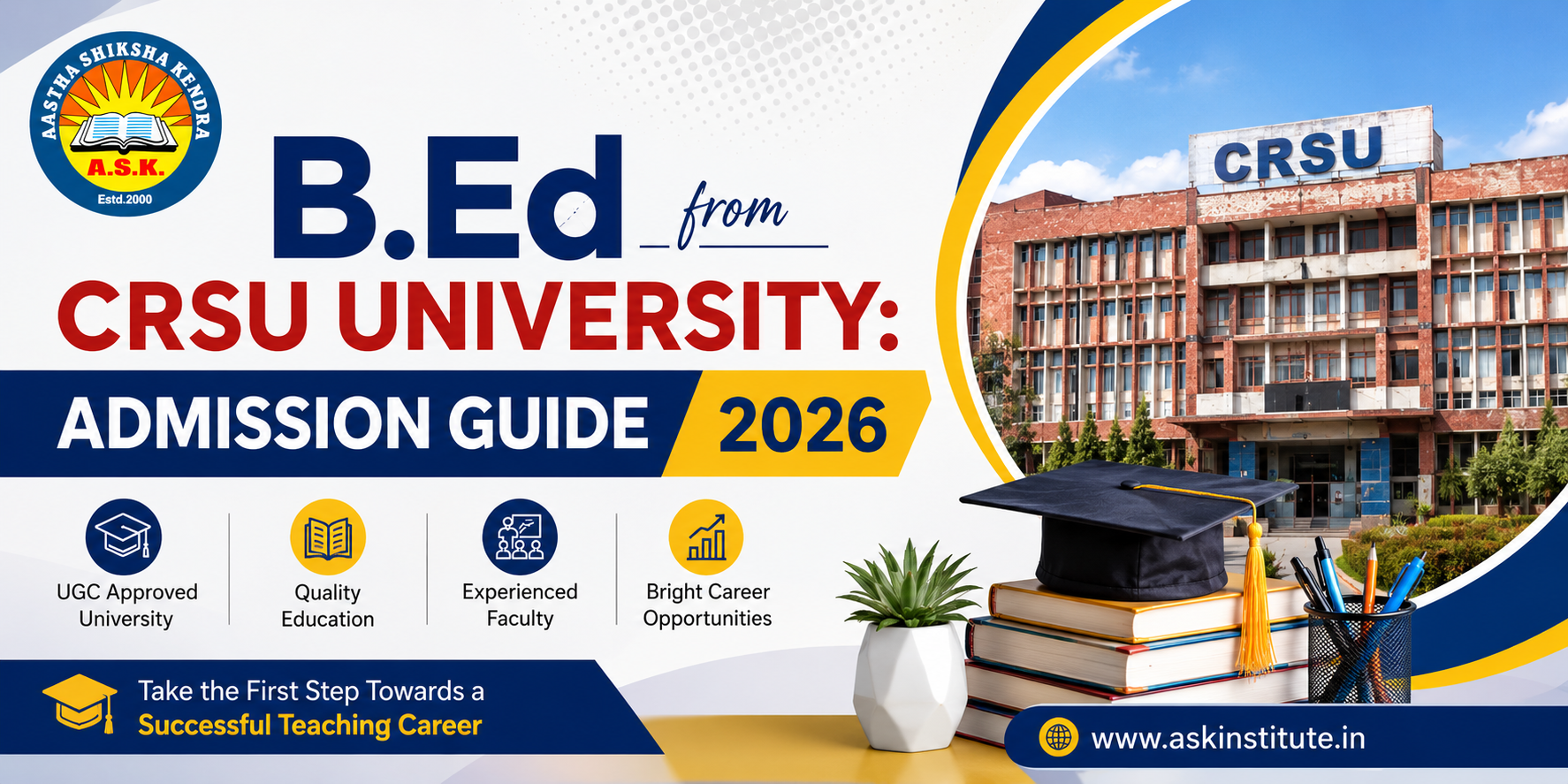
B.Ed from CRSU (Chaudhary Ranbir Singh University, Jind) accepts graduates with at least 50% marks in their bachelor's degree. You apply through the university portal or an affiliated study centre, and the whole cycle — application to counselling — usually wraps up between May and August.
What CRSU Actually Offers B.Ed Aspirants
CRSU is a state university based in Haryana, and its two-year B.Ed program is recognised by the National Council for Teacher Education. That matters more than it sounds — for students across Delhi-NCR and Haryana, it means the degree holds up wherever you take it next, whether that's a DSSSB exam, a KVS interview, or a private school hiring round.
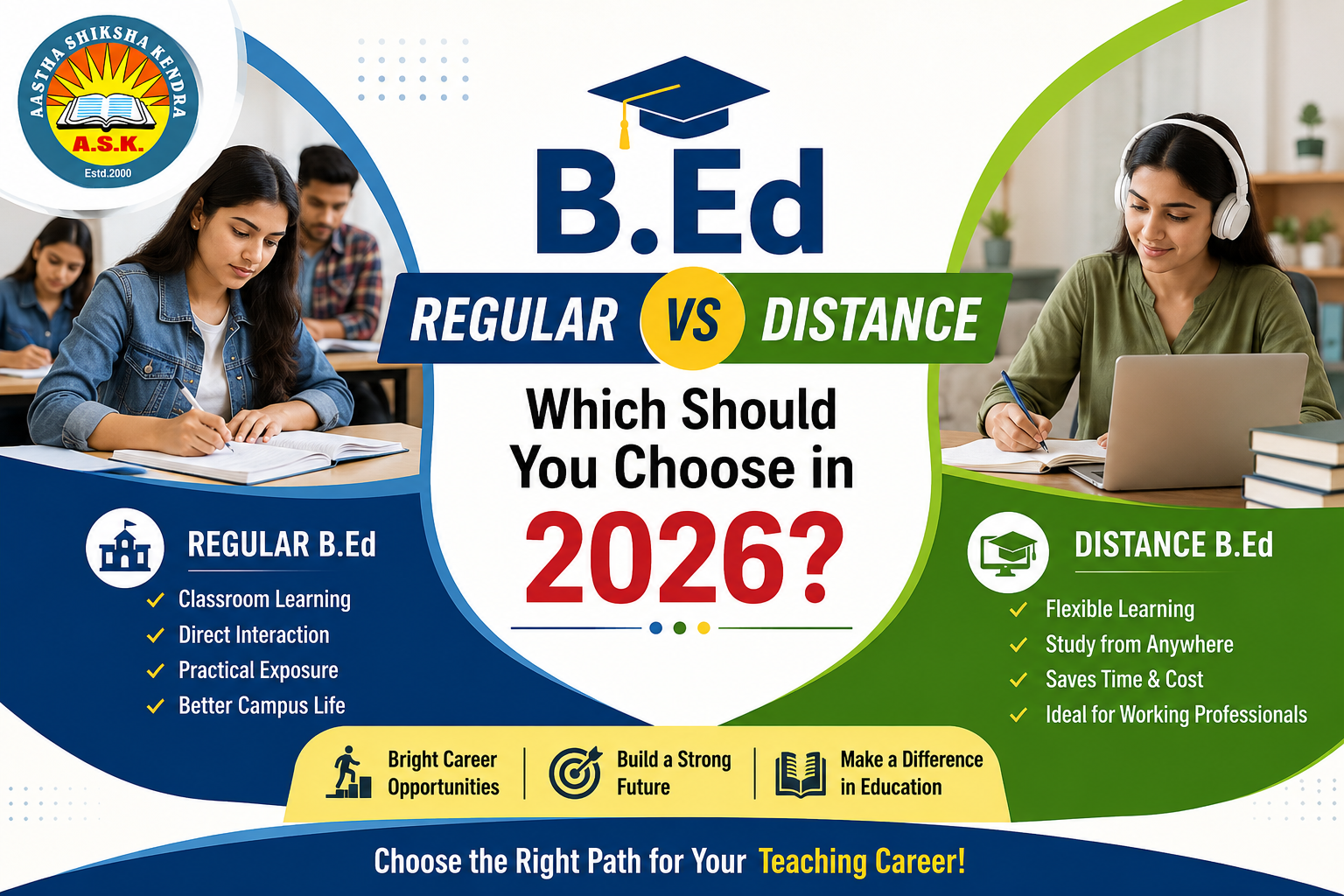
One thing we keep telling students: don't skip past the mode question. Regular and distance are both on the table here, and which one you pick honestly shapes the next two years more than anything else on this list. Someone commuting from a job every evening is going to have a very different experience than someone attending full-day classes on campus.
Eligibility — Who Actually Qualifies
This part trips people up more than it should, so read it carefully before you assume anything.
- A bachelor's degree — BA, B.Sc, B.Com, whatever the stream — with 50% marks overall
- 45% if you fall under a reserved category, per state norms
- The degree has to be from a recognised university; unrecognised institutions won't cut it
- No hard age cap for most candidates, though a few quota seats mention age brackets
- Already teaching somewhere? In-service candidates can apply through a separate quota, just with extra paperwork
Documents to Keep Ready
Nothing kills momentum faster than realizing halfway through the form that you're missing a certificate. Keep these sorted beforehand:
- Graduation mark sheets and the final passing certificate
- Category certificate, only if you're applying under reservation
- One recent passport photo
- A valid government ID — Aadhaar or voter ID work fine
- In-service applicants may also need an NOC from their current school
Get this checked against your actual documents before you pay any fee. Delays almost always trace back to something in this list.
The Application Process, Start to Finish
None of this is complicated, but rushing any one step tends to cost people weeks later.
- Watch for the notification. Comes out somewhere between May and July most years.
- Register on the portal. Basic personal and academic details go in first.
- Upload your documents. Everything from the list above, scanned and ready.
- Pay the application fee. The exact amount depends on your category and mode.
- Entrance test or merit list. Some seats go by exam, others purely by your graduation marks.
- Attend counselling. This is where you actually lock in your mode and centre.
- Verify documents and pay the final fee. Admission isn't confirmed until this last step clears.
Step three is where most people stumble — usually because a document was blurry, outdated, or just forgotten. Sort that stack early and save yourself the panic later.
Regular Mode or Distance — Which Fits You Better
There's no universal right answer here, so don't let anyone tell you otherwise. Regular mode means physical classes, hands-on practical sessions, and a set routine — good if you're fresh out of college and don't have a job pulling at your schedule. Distance mode works through study material plus periodic contact classes, which tends to suit people already working or managing a household.
We've seen both paths work equally well. What actually decides it is your week-to-week reality, not some inherent superiority of one mode over the other.
How Long the Course Runs
Two years, split into four semesters, mixing theory with practical components — lesson planning, teaching practice, internship in schools. That structure holds whether you're in regular or distance mode, though attendance expectations can vary a bit by centre, so it's worth double-checking with wherever you plan to enrol.
What It Costs
Fees shift depending on category, mode, and whether you're going through the university directly or an affiliated centre. Ask for an itemised breakdown before you commit — tuition, exam fees, and practical charges sometimes get quoted separately, and nobody wants a surprise bill at the counselling desk.
Where the Degree Actually Takes You
This is the part people care about most, even if they don't ask it outright. Since the program is NCTE-approved, graduates are eligible for DSSSB, KVS, NVS, and most state-level teaching recruitment exams. Beyond government roles, plenty of graduates end up in private schools, or move sideways into academic coordination and curriculum work.
If you're weighing a B.Ed from CRSU against other Haryana universities, the real questions to ask are about placement support, how active the study centre network actually is, and how fast the institution deals with result or certificate issues — things that matter far more once you're enrolled than they ever do on a brochure.
Honestly, there's no perfect moment to start this. What actually helps is having your documents sorted and your mode decided before the notification even drops — not scrambling for it during the last week of counselling.
Questions People Usually Ask
Does this degree actually count for government teaching jobs?
Yes, and that's the whole point of checking NCTE recognition first. Once that's confirmed, you're eligible for DSSSB, KVS, NVS, and pretty much every state-level teaching exam out there.
I'm already working — can I still manage this course?
That's exactly what distance mode is built for. You won't be sitting in a classroom every day; it's study material plus periodic contact classes, so a full-time job and this course can coexist without one wrecking the other.
What if my graduation marks are just under 50%?
Check your category first. If you fall under a reserved category, the cutoff drops to 45%, which changes things for a lot of applicants who assume they're out of the running.
How early should I start getting my documents together?
Before the notification even comes out, ideally. Waiting until the portal opens is exactly how people end up scrambling for a missing certificate at the last minute.
Is CRSU actually worth it compared to other Haryana universities?
Depends what you're optimising for. If placement support and a responsive study centre matter more to you than brand name, it holds up well — just ask around about how fast they handle result and certificate issues before you decide.